
Water damage can quickly turn a manageable household problem into a major restoration project. Whether the source is a burst pipe, overflowing appliance, roof leak, or severe weather event, unwanted water can affect floors, walls, ceilings, insulation, and personal belongings. Acting quickly is important because moisture can continue spreading long after the original source has been stopped. Professional restoration teams bring specialized equipment, experience, and structured procedures to the process. Their goal is not simply to remove visible water but to help restore the home safely while addressing hidden moisture and related concerns.
Understanding the Scope of Water Damage
Water does not always remain in the area where it first enters a home. It can move beneath flooring, behind walls, through ceilings, and into other building materials. This makes the visible damage only part of the problem. A professional water damage restoration service can assess affected areas and determine which materials have been exposed to moisture. Understanding the scope of the problem helps establish an appropriate restoration plan. It also allows property owners to make informed decisions about cleaning, drying, repairs, and replacement rather than addressing only the most obvious signs of damage.
Responding Quickly to Reduce Further Damage
Time matters when a home has been exposed to unwanted water. Moisture that remains in building materials can contribute to deterioration, unpleasant odors, and microbial growth. Water may also continue moving into areas that were initially unaffected. Restoration professionals can respond with equipment and procedures designed to begin the drying process as soon as practical. Prompt action can help limit the amount of material that ultimately requires replacement. It also gives homeowners an opportunity to address the source of the water before additional damage develops elsewhere in the property.
Finding the Source Before Restoration Begins
Removing water without identifying where it came from can leave a home vulnerable to recurring problems. A professional assessment should begin with determining the source, whether it involves plumbing, roofing, appliances, drainage, or weather-related damage. A local water restoration company may evaluate the affected areas and coordinate with other appropriate trades when repairs outside the restoration process are necessary. Stopping the source is an essential first step because continued water intrusion can undermine drying efforts. Once the source has been addressed, restoration work can focus on returning the affected areas to a safe and usable condition.
Removing Standing Water Efficiently
Standing water can create immediate problems for floors, walls, furniture, and other belongings. Restoration teams use specialized extraction equipment to remove water efficiently from affected spaces. The appropriate approach depends on the amount of water involved and the materials that have been exposed. Professional water damage companies can determine which extraction methods are appropriate for the situation. Removing standing water is only the beginning, however. Materials can retain moisture even after a room appears dry, which is why extraction needs to be followed by thorough drying and evaluation.
Drying Hidden Moisture From Building Materials
One of the more difficult aspects of water damage is moisture that cannot be seen. Water can become trapped beneath flooring, behind drywall, inside wall cavities, and within other porous materials. Restoration professionals use air movement and dehumidification equipment to help remove moisture from affected spaces. They may also evaluate materials throughout the surrounding area rather than focusing only on the location where water was first noticed. Thorough drying helps reduce the likelihood of lingering moisture problems. It also provides a better foundation for repairs and reconstruction once the affected areas have been properly evaluated.
Addressing Mold Concerns After Water Intrusion
Moisture can create conditions that support mold growth, particularly when affected materials remain damp for an extended period. If visible growth or other signs of a mold problem are discovered, the restoration process may need to include additional remediation measures. Black mold remediation services may be appropriate when a property has a confirmed mold issue involving what is commonly referred to as black mold. Professional remediation focuses on containing affected areas, removing contaminated materials when necessary, and cleaning appropriate surfaces. Homeowners should avoid disturbing suspected mold unnecessarily because doing so can spread particles into other areas of the property.
Cleaning and Sanitizing Affected Areas
Water entering a home can carry dirt, debris, and other contaminants depending on its source. For example, water from a damaged supply line may present different concerns than water that has entered through a flooded exterior area. Restoration professionals can determine what cleaning measures are appropriate based on the circumstances. Cleaning affected surfaces helps remove residues left behind after water extraction. Certain materials may require specialized treatment or replacement when they cannot be adequately cleaned. Taking a careful approach helps restore affected rooms while reducing the chance that contaminants remain in places where they could create ongoing concerns.
Handling Mold Safely and Thoroughly
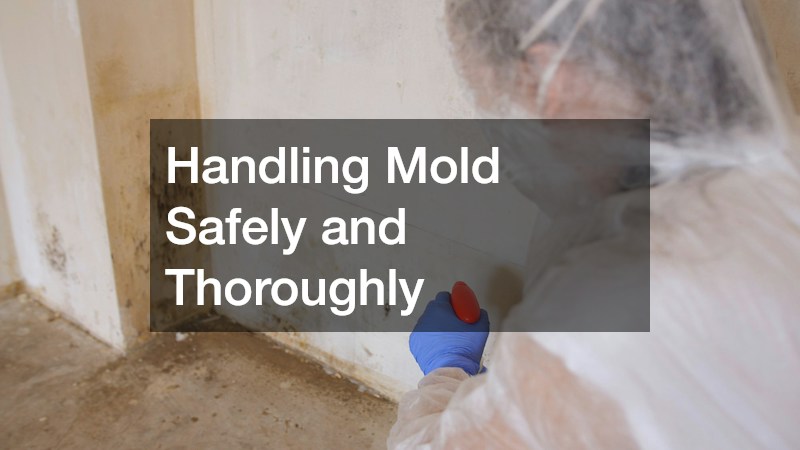
Mold concerns can extend beyond the areas where growth is immediately visible. Moisture inside walls, ceilings, flooring systems, and other concealed spaces can create conditions that allow growth to develop out of sight. A local mold remediation provider can evaluate the situation and determine what areas require attention. Appropriate containment and removal procedures can help prevent affected materials from spreading contaminants throughout the property. Mold remediation should be approached as part of the larger moisture-control process rather than as an isolated cleaning project. Addressing the underlying moisture source is essential for reducing the potential for recurring problems.
Evaluating Walls, Ceilings, and Flooring
Different building materials respond differently to water exposure. Some may dry successfully, while others can become swollen, weakened, stained, or otherwise unsuitable for continued use. Drywall, insulation, flooring, cabinetry, and ceiling materials all need to be evaluated according to their condition. Restoration professionals can help determine which components may be cleaned and dried and which may need replacement. This evaluation is important because covering damaged materials with new finishes does not address the underlying problem. Proper restoration considers both the visible appearance of the home and the condition of the materials beneath the surface.
Restoring Water-Damaged Roofing Areas
Roof problems can be an important source of water intrusion, particularly after severe weather. Missing shingles, damaged flashing, punctures, and other roofing issues can allow rain or melting snow to enter the home. When roofing damage is responsible for interior moisture, the source needs to be addressed alongside the interior restoration. Hail damage repair may be necessary when a storm has damaged roofing materials and created openings that allow water inside. Coordinating exterior repairs with interior drying can help prevent the same area from becoming wet again after restoration work begins.
Inspecting the Roof After Severe Weather
Not every roof problem is immediately visible from inside the house. A roof can sustain damage during high winds, hail, heavy rain, or other severe conditions without producing an obvious ceiling stain right away. Local residential roofers can evaluate exterior roofing materials and identify issues that may require attention. Finding damaged areas early can help prevent additional water from entering the home during subsequent rainfall. A roofing inspection can also provide useful information when determining how water entered the property and what exterior repairs need to happen before interior restoration is completed.
Restoring Homes After Storm-Related Water Intrusion
Severe weather can create several types of damage at the same time. A storm may damage the roof, break windows, overwhelm drainage systems, or cause water to enter through openings in the exterior. Storm damage restoration therefore often requires attention to both the immediate water intrusion and the underlying structural issues that allowed it to happen. Restoration teams can help document affected areas and organize the drying and cleanup process. Coordinating the response can make it easier to address multiple problems without overlooking moisture hidden in less obvious parts of the home.
Protecting Insulation After Water Exposure
Insulation is often overlooked when homeowners think about water damage because it is usually hidden behind walls, ceilings, floors, or other finished surfaces. Unfortunately, certain types of insulation can retain moisture and may become unsuitable for continued use after significant water exposure. Professionals can assess whether affected areas can be adequately dried or whether removal is necessary. Home insulation companies can become involved when insulation needs to be replaced after restoration work. Addressing compromised insulation helps ensure that rebuilding does not simply cover materials that remain damaged or damp.
Replacing Damaged Insulation Properly
When wet insulation cannot be effectively restored, replacement may become part of the reconstruction process. The appropriate material depends on the location, construction design, climate, and performance goals of the home. New insulation should be installed only after the surrounding structure has been properly dried and evaluated. Otherwise, new materials could conceal lingering moisture and complicate future repairs. Proper sequencing is important because restoration should address the source and condition of the affected structure before finished materials are put back into place.
Checking for Structural Concerns
Water exposure can affect more than cosmetic finishes. Prolonged moisture may contribute to deterioration of wood, damage to certain flooring systems, or weakening of other building materials. Restoration professionals can identify areas that appear compromised and recommend additional evaluation when structural concerns are suspected. This does not mean every water-damaged home has serious structural problems, but it does emphasize why a thorough assessment matters. Areas that have absorbed significant amounts of water should not simply be covered with new materials without first determining whether the underlying components remain suitable for use.

Protecting Personal Belongings
Furniture, clothing, electronics, photographs, and other belongings can also be affected when water enters a home. Restoration teams may separate salvageable items from those that have sustained damage beyond practical recovery. Some belongings can be dried or cleaned using appropriate methods, while others may require specialized treatment. Moving affected items to a dry, secure area can prevent additional exposure while restoration work continues. Careful handling is particularly important for sentimental possessions that may not have monetary value but are extremely meaningful to the household.
Documenting the Restoration Process
Documentation can be an important part of dealing with significant property damage. Homeowners should keep records of visible damage, affected rooms, restoration work, repairs, and related expenses. Photographs taken before extensive cleanup can help establish the condition of the property immediately after the incident. Restoration professionals may also provide documentation related to the work they perform. Keeping organized records can make communication with insurance representatives, contractors, and other parties easier. It also gives homeowners a clear history of what was affected and what steps were taken to restore the property.
Coordinating Restoration and Repairs
Water restoration often involves more than one type of work. For example, a plumbing failure may require plumbing repairs, while a roof leak may require exterior roofing work. Flooring, drywall, cabinetry, insulation, and paint may also need attention after the drying process is complete. Coordinating these stages helps ensure that repairs are performed in an appropriate sequence. Restoration should generally address moisture and affected materials before cosmetic reconstruction begins. This approach helps prevent new finishes from being installed over unresolved damage and allows each stage of the project to build on the work completed previously.

Knowing When Materials Need Replacement
Restoration does not always mean saving every affected material. Some components may be too damaged, porous, deteriorated, or contaminated to return to their previous condition. Professionals can evaluate the condition of materials and explain when replacement is more appropriate than continued cleaning or drying. Making this distinction can protect the long-term condition of the home. Replacing a damaged component may also provide an opportunity to correct weaknesses that contributed to the original problem. The goal is not simply to make a damaged room look normal again but to restore it in a way that supports its continued use.
Preventing Future Water Damage
Once restoration is complete, homeowners can take steps to reduce the likelihood of another incident. Regularly checking plumbing connections, maintaining gutters and downspouts, inspecting roofing materials, and watching for leaks can all help identify problems early. Appliances that use water should also be inspected for deteriorating hoses, connections, or seals. Homeowners should know where shutoff valves are located and understand which systems require seasonal maintenance. Prevention does not eliminate every risk, but routine attention can help catch smaller issues before they develop into larger sources of water intrusion.
By addressing problems thoroughly and in the right sequence, professionals can help homeowners restore their properties safely and reduce the risk of lingering moisture-related issues. Acting promptly when water damage occurs gives your home a better opportunity to recover while helping you regain a comfortable, functional living space.

