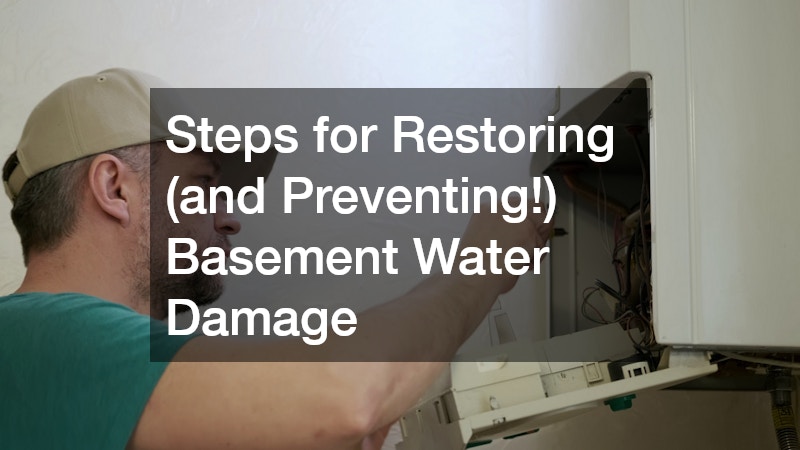

Basement water damage can be a homeowner’s nightmare, leading to costly repairs and potential health hazards. This article provides a comprehensive guide to restoring and preventing water damage in your basement. Understanding the key concepts of water damage restoration and prevention can secure your home for the future.
What are the first steps in water damage restoration?
Initial Assessment
The first essential step in water damage restoration is conducting an initial assessment. It involves surveying the affected area to determine the extent of the damage, whether minor surface dampness or severe inundation. This preliminary evaluation directs how the water damage restoration process should proceed, ensuring targeted interventions.
Professionals often employ moisture detectors and infrared cameras during assessments. These advanced tools help detect hidden moisture behind walls or under floors, which may not be visible to the naked eye. Early identification of these hidden issues enables swift action before they develop into larger problems.
Damage Containment
Once the initial assessment is complete, the next step in the water damage restoration process is damage containment. Containment aims to prevent the water damage from spreading and causing further harm to the property. This might involve shutting off water mains or deploying temporary barriers to block further water intrusion.
Timely removal of standing water is a critical aspect of containment. Techniques involve using submersible pumps and wet vacuums to ensure quick water evacuation. The use of industrial fans and dehumidifiers can then help in drying out the affected areas to minimize the conditions conducive to mold growth.
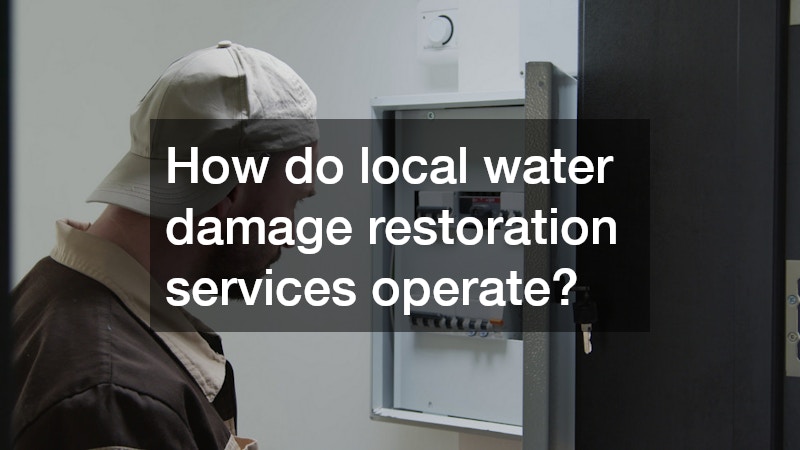
How do local water damage restoration services operate?
Service Overview
Understanding how local water damage restoration services operate can better prepare homeowners for what to expect during the cleanup process. These providers typically offer a comprehensive suite of services that cover initial assessments, water extraction, drying, and decontamination. The aim is to restore affected areas to their previous state before damage occurred.
Most local restoration companies emphasize quick response times. Rapid intervention following water damage is vital in preventing extensive damage and higher costs. Restoration services are equipped with the necessary tools, including state-of-the-art water removal and dehumidifying equipment, to handle various levels of water damage.
Choosing the Right Service
Choosing the right restoration company is crucial for effective water damage restoration. Homeowners should prioritize companies with ample experience and certifications, such as those certified by the Institute of Inspection, Cleaning and Restoration Certification (IICRC). Certified companies adhere to industry standards, ensuring high-quality service delivery.
Reviews and testimonials from past clients can provide valuable insight into the reliability and effectiveness of a restoration company. Checking these reviews, alongside the company’s history with handling similar projects, can guide homeowners in decision-making and assurance of quality service.
What is the role of a water damage cleaning service?
Cleaning Protocols
The role of a water damage cleaning service is pivotal in the restoration process, focusing on thorough cleaning to eradicate contaminants. Water damage often leads to unsanitary conditions, with the potential for harmful microbial growth. Standard cleaning protocols involve intensive procedures to cleanse, sanitize, and deodorize the affected areas.
Cleaning efforts often include the removal of debris and contaminated materials, followed by deep cleaning practices. Professionals in a water damage cleaning service employ antimicrobial treatments to prevent mold and bacteria proliferation. Utilizing steam cleaning and HEPA-filtered vacuums can also help manage airborne contaminants.
After-Service Care
After-service care is an essential component of water damage restoration services, focusing on client education and follow-up checks. Restoration services often offer guidance on moisture control and preventive strategies to limit future water damage incidents. This could involve regular maintenance advice, ensuring that the restored space remains in prime condition.
Service providers might also include follow-up visits to monitor for signs of lingering moisture or mold development. This proactive stance helps assure homeowners that their property remains secure against further damage. Feedback from these post-service checkups can guide future preventive measures and maintenance scheduling.
How can mold remediation prevent further damage?
Mold Identification
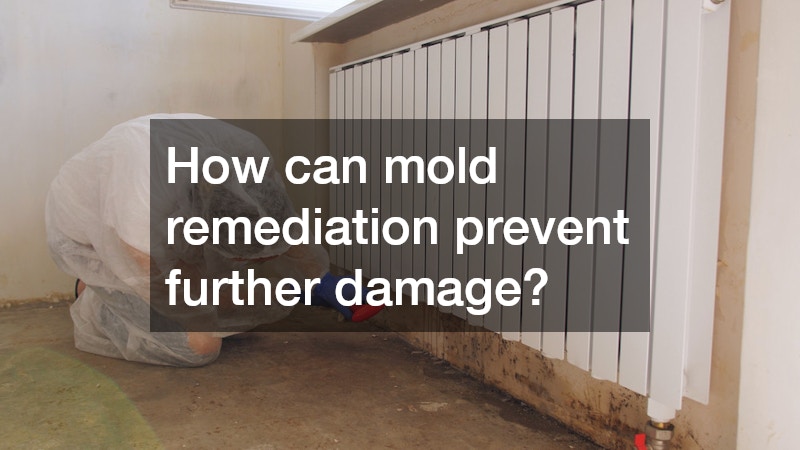
Mold remediation is crucial in preventing further property damage following water intrusion. The first step is accurate identification of mold presence, as early intervention can significantly reduce its harmful impacts. Signs such as discoloration on walls, musty odors, and increased respiratory problems among residents often indicate mold growth requiring immediate attention.
Advanced tools and methods enable professional mold inspection teams to detect hidden mold that may not yet be visible. Infrared temperature sensors and air quality testing often accompany visual inspections in such professional assessments. Early and accurate detection guides remediation efforts, ensuring complete eradication of the infestation.
Remediation Techniques
Different remediation techniques are employed depending on the extent and type of mold present. Initial containment strategies prevent spore dispersion by sealing affected areas and maintaining controlled environments via negative air pressure systems. These steps are pivotal in stopping cross-contamination during mold removal efforts.
Following containment, remediation involves cleaning and sanitizing affected surfaces. This often includes using specialized cleaning agents and scrubbing techniques to eliminate mold colonies and prevent regrowth. In cases of severe contamination, affected materials may need to be removed and discarded safely.
Why hire a restoration company for basement issues?
Expertise and Experience
Hiring a restoration company for basement issues offers substantial benefits due to their expertise and experience. Certified professionals possess comprehensive knowledge of water damage restoration, ensuring effective and informed solutions for complex situations. Their experience allows for precise assessments and customized action plans catering to each unique case.
Restoration companies are well-versed in utilizing specialized equipment, such as industrial dehumidifiers and advanced water extraction tools. Their expertise minimizes damage and expedites recovery, reducing downtime for homeowners. Partnerships with reputable companies also assure compliance with safety and building regulations, safeguarding structural integrity.
Cost-Effectiveness
Hiring professionals is often a cost-effective choice compared to attempted DIY restorations, which can often lead to incomplete treatments and recurring issues. Professionals ensure a thorough restoration, targeting all potential problem areas to prevent future expenses from unresolved damage. By investing upfront, homeowners often avoid higher costs down the road.
Timely engagement in professional services limits additional damage, avoiding the compounding costs associated with secondary mold growth or structural weakening. Insurance partnerships often enable companies to directly bill insurers, further financially cushioning the homeowner. Additionally, warranties from reputable firms offer assurances against recurrence, securing long-term savings.
What should you know about water damage restoration services?
Service Elements
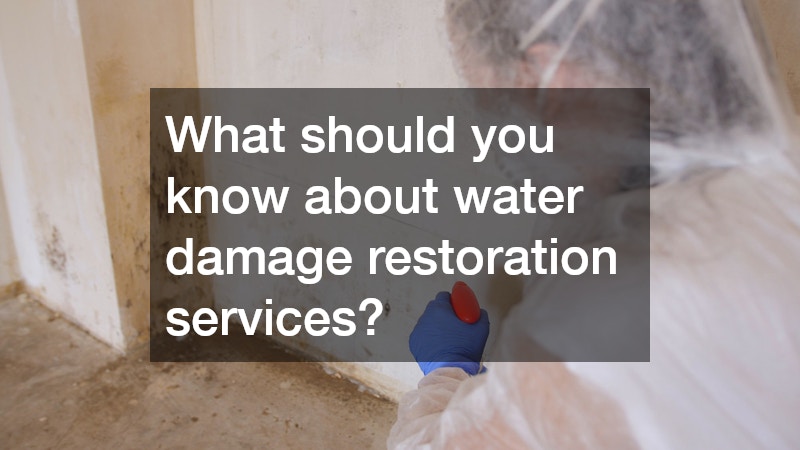
Water damage restoration services encompass several critical elements that target both immediate and long-term effects of water damage. Key components include initial emergency responses to stabilize the situation, water extraction to remove excess water, and thorough drying using high-powered dehumidifiers. Each step is designed to swiftly recover the affected area while preventing secondary damage.
These services also provide structural rehabilitation, repairs, and cleaning to restore the area to its pre-damage state. This may require replacing or reinforcing materials, sanitizing areas to eliminate hazardous conditions and conducting air quality checks to ensure safety. The range of these services showcases the comprehensive nature of restoration efforts.
Insurance Considerations
Understanding the insurance considerations involved in water damage restoration can be pivotal to minimizing out-of-pocket expenses. Homeowners should familiarize themselves with policy details, especially concerning coverage limitations and deductibles. In most cases, damages arising from sudden, accidental causes are typically covered, while damages from chronic neglect may not be.
The documentation prepared by restoration services plays a significant role in the insurance claims process. Detailed assessments and proof of loss can substantiate claims, ensuring fair compensation for restoration expenses. Experienced restoration companies often facilitate smoother insurance processes through direct communications with adjusters.
Why is basement waterproofing crucial?
Preventive Measures
Local water proofing restoration is an essential preventive measure against water damage, offering protections that ensure a home’s foundation remains intact and resilient. Effective waterproofing techniques include sealing foundation cracks, applying waterproof membranes to interior walls, and installing proper drainage solutions such as sump pumps and French drains.
Local waterproofing restoration services can offer tailored solutions, addressing unique property challenges based on topographical, climatic, or architectural conditions. Engaging professionals ensures that chosen methods are appropriately applied, significantly reducing the risk of future water intrusion.
Long-term Benefits
The advantages of investing in basement waterproofing extend beyond immediate protection features, encompassing overall property value enhancement. Properties equipped with preventative measures are more appealing to prospective buyers who prioritize safety against water-related losses. Reliable waterproofing can significantly boost resale values by assuring long-term home resilience.
Health remains another major beneficiary of basement waterproofing efforts. By preventing damp conditions, households reduce the likelihood of mold growth and related respiratory issues among occupants. This mitigation extends practical living space usability, making basements viable for additional storage or habitation.
How to find local waterproofing restoration services near me?
Research Tips
Identifying reputable local waterproofing restoration services begins with diligent research, ensuring you engage with qualified professionals capable of delivering on promises. Online platforms like Yelp or Angie’s List provide client reviews and ratings that help distinguish quality service providers in your area.
Personal recommendations from friends, neighbors, or community groups can offer honest insights based on direct experiences, aiding in selecting trustworthy services. Visiting company websites also reveals informative content on their service range, certifications, and case studies that showcase proficiency and past successes.
Service Vetting
Vetting potential waterproofing services involves asking pertinent questions and verifying credentials to ensure proficiency and trustworthiness. Confirm that companies hold necessary licenses and insurance to protect against liability. Credentials and affiliations with professional bodies also reflect commitment to quality and regulatory compliance.
Inquire about the specific waterproofing techniques employed and the company’s experience in handling similar properties or issues. Discussion of timelines for project completion and warranty guarantees can further establish service reliability and accountability.
When is a professional mold inspection necessary?
Signs and Symptoms
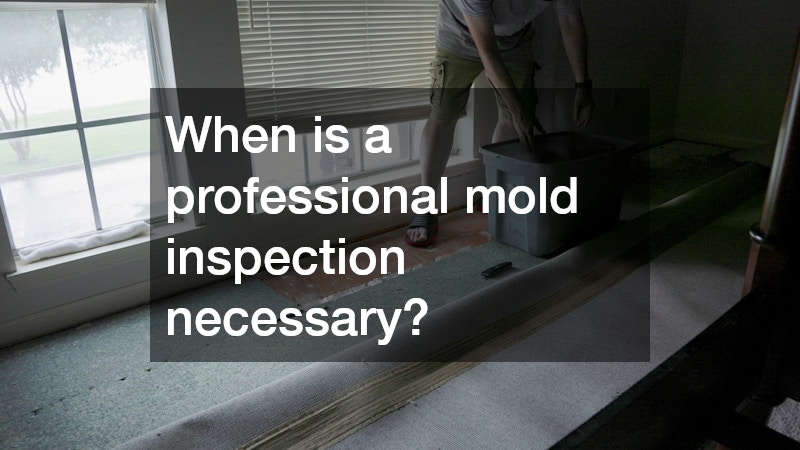
A professional mold inspection becomes necessary when visible indicators or health symptoms suggest possible mold contamination. Symptoms like unexplained musty odors or visible mold growth on walls in conjunction with allergic reactions often signal the need for professional assessment. Frequent colds, persistent coughs, or skin irritation among residents can also point to indoor air quality issues requiring further investigation.
Conditions such as past flooding events or continued moisture problems further warrant a formal assessment to preemptively detect latent issues. Mold can grow in hidden areas, posing long-term health risks if unchecked. Therefore, timely professional intervention can ensure comprehensive evaluation and prompt remediation, preventing further complications.
Inspection Process
The inspection process offers a deep dive into understanding mold presence and its underlying causes. Inspectors conduct initial consultations to better appreciate property history, previous water exposures, and health concerns. This information directs a focused evaluation strategy, enhancing the effectiveness of subsequent investigative activities.
In practice, inspection might involve a combination of visual examination, moisture measurement, and advanced sampling techniques, including air quality tests and surface swabs. These allow identification not just of visible mold but also of hidden spores propagated by unseen moisture amplification.
What steps are involved in mold removal?
Preparation
Preparing for mold removal involves comprehensive groundwork to create safe and controlled environments. This preparation phase involves accurately demarcating affected zones with physical barriers, containing spores to avoid further dispersion during the remediation process. Building containment often uses plastic seals in conjunction with negative pressure air flow systems.
Equipping remediation personnel with appropriate protective gear, such as respirators and suits, is integral to limiting exposure during cleaning operations. Such physical safety steps ensure handlers remain unaffected by contamination and effectively focus on cleansing impacted areas.
Execution
The execution of mold removal encompasses active cleansing, structural restoration, and establishing tailored preventive strategies. Initially, technicians conduct comprehensive removal of all heavily contaminated materials, including wallboards, carpeting, or ceiling panels. Implements such as scrubbers or biocide treatments are utilized to effectively neutralize spores on remaining surfaces.
Using HEPA vacuum systems targets floating spores, enhancing air cleanliness for renewed inhabitability. Repairs to affected infrastructure – walls, flooring, or plumbing systems – are crucial to restoring a building’s integrity and preventing moisture recurrence that could induce future mold growth.
How can regular maintenance prevent basement water damage?
Routine Check-ups
Regular maintenance and routine check-ups play a critical role in preventing basement water damage. Scheduled inspections empower homeowners to identify potential issues like small leaks or gutter blockages before they can escalate into costly problems. These routine evaluations should include examining the integrity of the home’s drainage systems, assessing for any signs of wear or damage that might allow water entry.
Early Detection
Early detection of water-related issues greatly reduces the potential for extensive basement damage. Frequent monitoring allows for the timely identification of rising humidity or initial leakage events, potentially averting complex damage restoration needs later. This vigilance means addressing concerns while they remain manageable and addressing issues such as clogged sump pumps or compromised sealants in a timely fashion.
Regular professional inspections further support early detection efforts: dedicated restoration companies furnish maintenance support that systematically uncovers and addresses vulnerabilities. Seasoned professionals can recognize nuanced warning signals that might elude novice observers, maximizing early intervention impact.