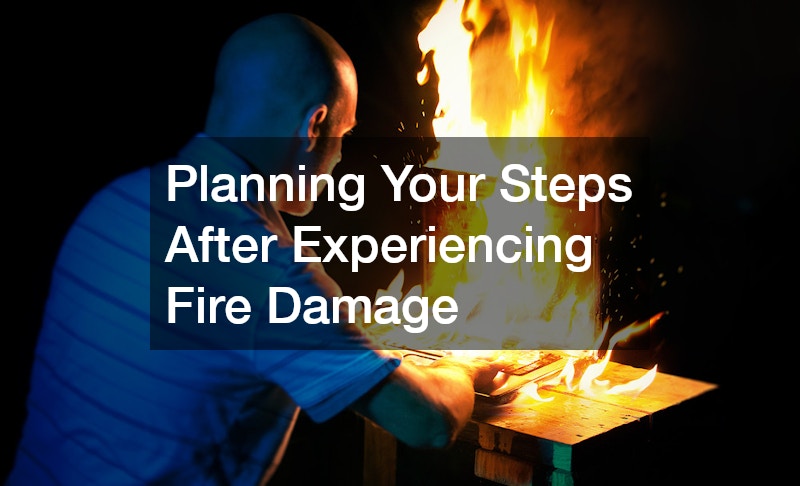

Experiencing a fire in your home or business is an overwhelming and traumatic event. Beyond the immediate threat to safety, fire can leave behind extensive damage that affects not only the physical structure but also your emotional well-being and financial stability. Planning your steps after experiencing fire damage is critical to ensure the restoration process is safe, efficient, and thorough. Understanding what to do immediately after the incident and how to approach recovery can make a significant difference in minimizing long-term consequences.
1. Ensure Safety First
The priority after any fire is safety. Even after the flames are extinguished, the environment can remain hazardous.
Structural damage, weakened floors and ceilings, as well as lingering smoke and toxic fumes, can pose significant risks. Avoid entering the property until local authorities, such as the fire department or building inspectors, have confirmed it is safe to do so. Wear protective clothing, including gloves, masks, and sturdy footwear, if you must enter for inspection or to retrieve essential items.
In addition to physical safety, consider your emotional well-being. Fire is a traumatic event, and it is normal to feel overwhelmed or anxious. Reach out to supportive friends, family members, or professional counselors to help navigate the initial shock. Taking care of your mental health is just as important as addressing the physical damage.
2. Contact Your Insurance Company
After ensuring safety, contact your insurance provider as soon as possible. Prompt notification allows the claims process to begin, which can be critical in covering restoration and replacement costs. Be prepared to provide detailed information about the incident, including the time of the fire, suspected cause, and extent of the damage. Many insurance companies will also advise you on immediate steps to prevent further damage, such as boarding up windows or covering exposed areas.
Documenting the damage with photographs or video before any cleanup begins is crucial. This visual record supports your claim and provides a clear overview of the extent of the loss. Keep a detailed inventory of damaged items, noting their estimated value and replacement cost.
3. Secure the Property
Securing your property after a fire is essential to prevent additional loss. Fires can leave buildings vulnerable to theft, vandalism, and weather-related damage. If the structure is deemed safe, consider boarding up windows and doors and installing temporary fencing around the perimeter. This step not only protects your property but also helps maintain the integrity of the building for restoration purposes.
4. Engage Professional Fire Restoration Services
Once your property is secured, the next step is engaging professional fire restoration services. Attempting to clean or repair fire-damaged structures on your own can be dangerous and may exacerbate the damage. Certified restoration professionals have the expertise, equipment, and techniques necessary to address both visible and hidden damage.
For businesses, commercial fire damage restoration is particularly critical. A fire can disrupt operations, damage valuable inventory, and affect client relationships. Hiring specialists who understand commercial properties ensures that restoration is handled efficiently, minimizing downtime and reducing financial losses. Professionals can assess structural damage, remove soot and smoke residues, clean and sanitize affected areas, and restore critical systems such as electrical wiring and HVAC.
5. Evaluate Structural Damage
Fire can compromise the structural integrity of your building in ways that are not immediately visible. It is essential to have a professional inspect load-bearing walls, foundations, roofs, and support beams before any rebuilding occurs. Ignoring hidden structural damage can lead to safety hazards and more costly repairs in the future.
Certified restoration experts often collaborate with licensed contractors and engineers to create a detailed restoration plan. This plan outlines the scope of repairs, materials needed, timelines, and cost estimates. A methodical approach ensures that restoration is not only thorough but also compliant with local building codes and safety standards.
6. Address Smoke and Water Damage
Fires typically result in secondary damage caused by smoke and water. Smoke can penetrate walls, carpets, and furniture, leaving behind odors and residues that are difficult to remove. Water damage from firefighting efforts can lead to mold growth if not addressed promptly. Restoration professionals use advanced techniques to clean, deodorize, and restore affected areas, preventing long-term health hazards and preserving the property’s value.
7. Restore Emotional and Business Stability
Recovering from a fire is not solely about repairing physical damage—it also involves restoring emotional and operational stability. For families, this may include temporary relocation, counseling, and rebuilding a sense of security. For businesses, it involves resuming operations as quickly as possible and communicating transparently with employees, clients, and stakeholders. Commercial fire damage restoration services often include guidance on reopening strategies, ensuring that your business can continue to operate safely and effectively while repairs are ongoing.
8. Plan for the Future
Once the immediate restoration is underway, consider implementing measures to prevent future incidents. Fire safety upgrades, such as smoke alarms, sprinkler systems, and improved electrical inspections, can reduce the risk of recurrence. Having a fire emergency plan and regular drills in place can help protect lives and property in the future.
Experiencing a fire is a life-altering event that demands a careful and strategic response. By prioritizing safety, contacting your insurance company, securing the property, and engaging professional restoration services, you can navigate the aftermath more effectively. Commercial fire damage restoration, in particular, plays a critical role in minimizing downtime and financial loss for businesses. Remember to address both structural and emotional recovery, and take steps to prevent future incidents. With the right plan in place, you can move from devastation toward rebuilding with confidence and resilience.